Why Picky Eaters Often Refuse Mixed Foods But Happily Eat the Same Ingredients Separately
Quick Answer: Mixed dishes combine multiple textures and flavors into an unpredictable, harder-to-evaluate bite, while the same ingredients served separately let a picky eater assess and control exactly what they’re consuming with each distinct bite — this predictability, not the ingredients themselves, is usually what determines acceptance, which is why identical foods can be refused mixed together and accepted individually.
If your picky eater’s rejections seem inconsistent with what they’ll actually eat, texture and predictability, not the ingredients, are usually the deciding factor.
Why does combining foods change acceptance so dramatically if the ingredients are identical?
A mixed dish creates textural and flavor unpredictability within a single bite — you can’t fully anticipate the combination before tasting it, unlike separated foods where each bite is a known, consistent experience. For many picky eaters, especially those with sensory sensitivities, this unpredictability itself is the barrier, independent of whether they like the individual components.
Is this actually a sensory processing issue, or just stubbornness?
For many picky eaters, particularly children, this reflects genuine sensory processing differences, not deliberate defiance. The inability to predict texture and flavor combination in a mixed bite creates real discomfort or anxiety around eating that isn’t about being difficult on purpose.
Does this mean parents should avoid mixed dishes entirely?
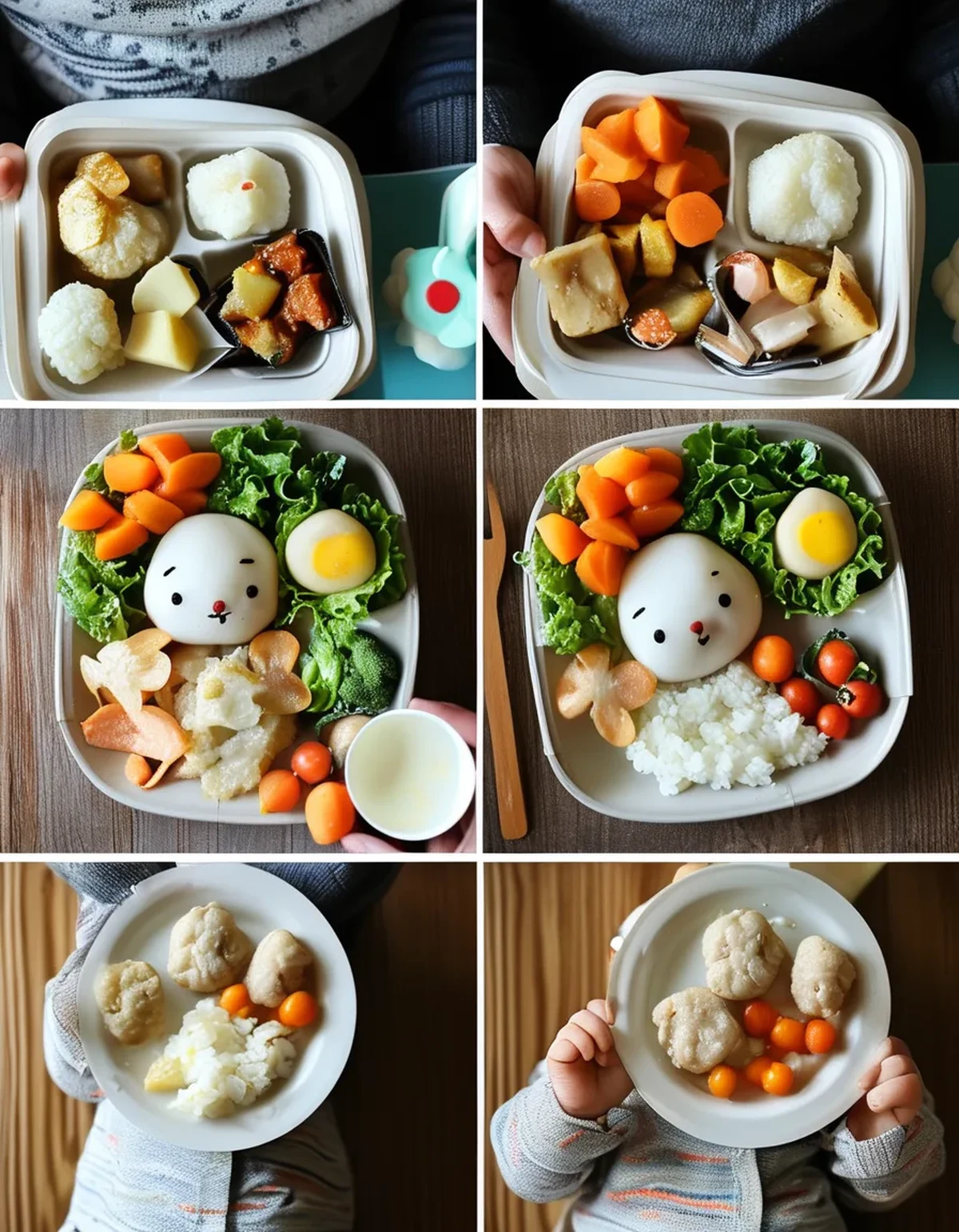
Not necessarily forever, but serving components separately, especially for newer or less-trusted foods, tends to increase acceptance compared to introducing the same ingredients already combined, particularly during earlier stages of expanding a picky eater’s food range.
How do you actually transition toward accepting mixed foods over time, if that’s a goal?
Gradual, deliberate exposure — starting with foods served separately but placed close together on the plate, then slightly touching, then lightly combined — lets a picky eater build tolerance incrementally rather than facing full unpredictability all at once.
FAQ: Picky Eating and Mixed Foods, Answered
Does this pattern usually improve with age on its own?
Often somewhat, yes, though the pace varies significantly between children, and some continue preferring separated foods well into adulthood without it being a concern.
Should I hide vegetables inside mixed dishes if my picky eater won’t eat them separately?
This can work short-term for nutrition, but many feeding specialists suggest it doesn’t build actual food acceptance skills the way transparent, gradual exposure does.
Is this pattern related to autism or sensory processing disorder specifically?
It can be more pronounced in those conditions, but it also occurs commonly in neurotypical picky eaters, so the pattern alone isn’t a diagnostic indicator on its own.
TL;DR:
- Mixed dishes create unpredictable texture and flavor combinations within a single bite
- Separated foods let a picky eater fully predict and control what each bite contains
- This is often genuine sensory processing, not deliberate defiance about the same ingredients
- Gradual exposure — separate, then touching, then combined — builds acceptance over time
Keep Reading
This article is for general informational purposes only and is not medical advice. Always consult a qualified health professional for guidance specific to you.