Why a Picky Eater Will Eat at Someone Else's House and Not at Home
Quick Answer: Eating behaviour is heavily context-dependent, and a different house removes most of the things that make home mealtimes hard. There is no accumulated history of conflict at that table, no expectation being watched for, different social modelling from other children or adults, novelty that overrides caution, and — usually — an adult who is not emotionally invested in the outcome. The food is rarely the variable. Understanding which factor is doing the work tells you which parts are borrowable.
It is not that your child prefers someone else’s cooking, and it is not a comment on you.
It is that the situation is different in about six specific ways.
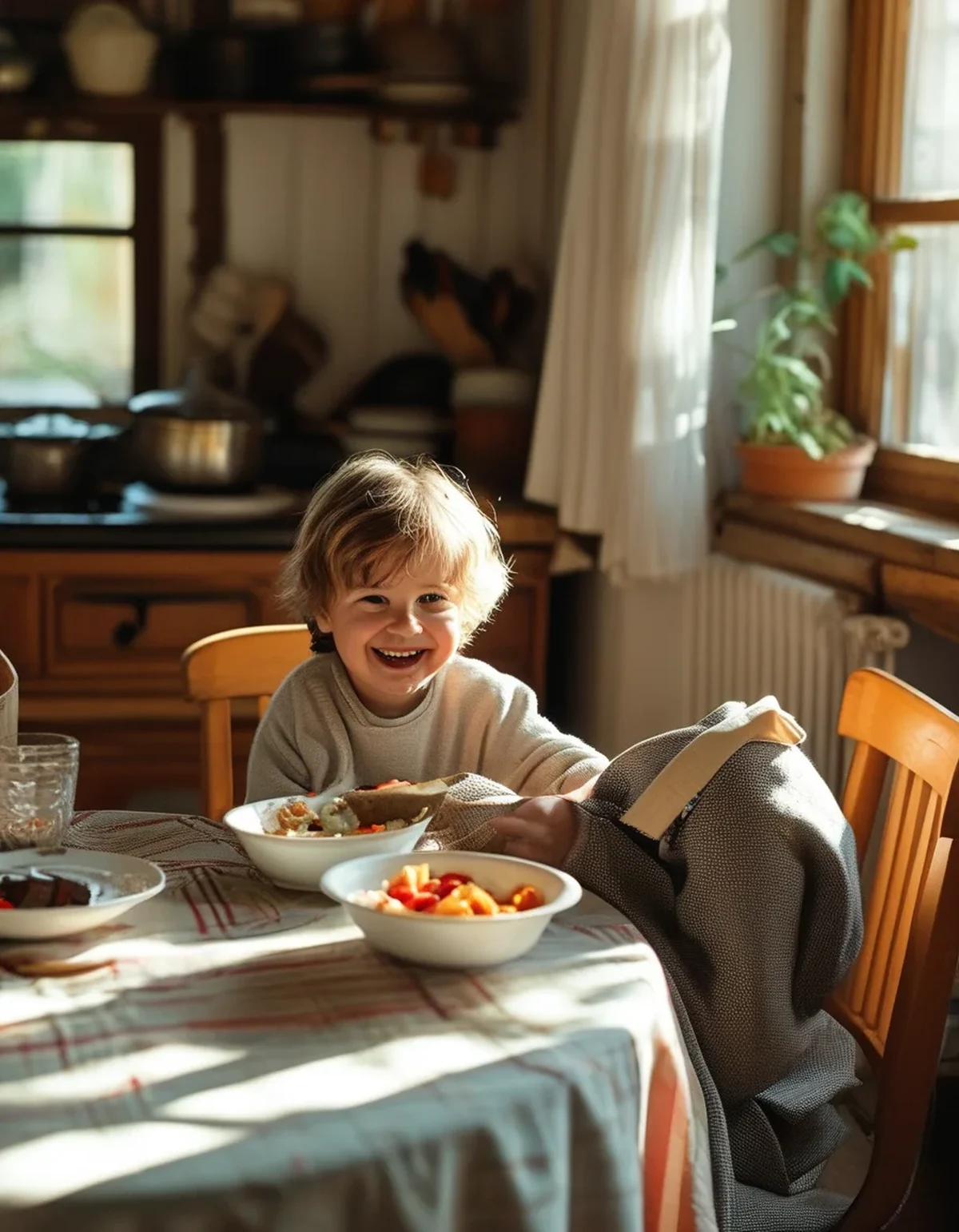
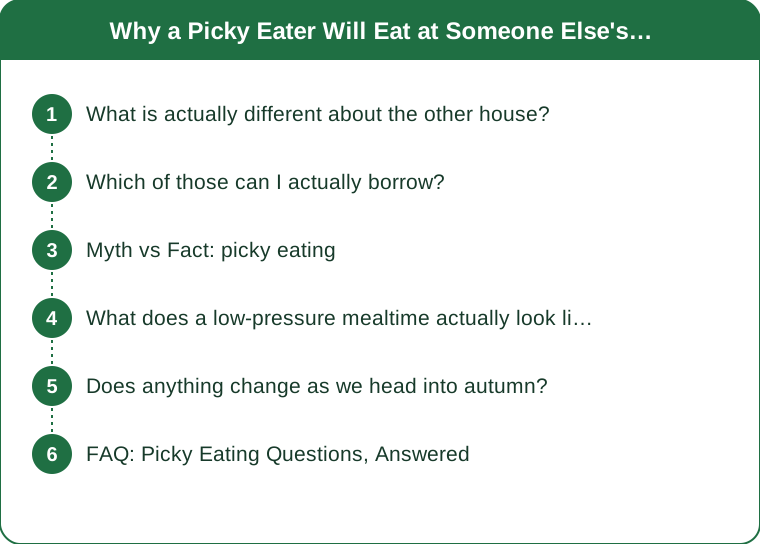
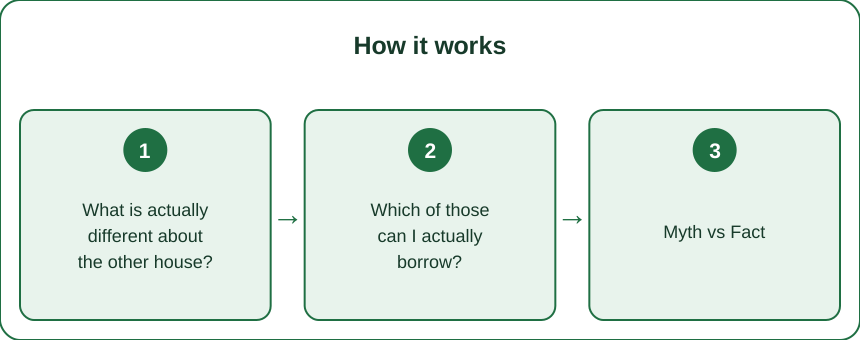
What is actually different about the other house?
More than it seems, and most of it is invisible.
No history at that table. Home mealtimes accumulate. If there have been difficult meals, negotiation, or tension over food, the table itself becomes a cue that predicts those things. A child arrives at their own dinner table already braced, and arrives at an unfamiliar one without that association. This is straightforward learning, and it is the most powerful factor on the list.
Nobody is watching for the outcome. Children are extremely good at detecting adult investment. At home, everyone at the table has a stake in whether the food is eaten and the child can feel it. At someone else’s house, the attention is elsewhere, and the absence of pressure is itself the intervention.
Different social modelling. Eating is socially learned. Other children eating the same food, or an adult they admire eating it casually, does more than any amount of encouragement. Peer modelling in particular is well supported by research on children’s food acceptance.
Novelty overriding caution. Food neophobia — wariness of unfamiliar food — is a normal developmental stage that typically peaks between about two and six. But novelty in the situation can compete with wariness about the food. A new place is interesting, and interest reduces vigilance.
Different portion and presentation norms. Other people serve smaller portions, use different plates, and often serve family-style rather than plating individually. A smaller portion is less intimidating, and being served by someone else, or serving oneself, changes the sense of control.
Hunger and timing. Children often eat at a different time at someone else’s house, frequently later, and frequently after more physical activity. A genuinely hungry child is a different diner.
So is it my fault?
No — and this is worth saying clearly. The dynamics that build up at a family table are extremely common and they develop precisely because parents care about their child eating. Caring is the mechanism, not a failing.
Which of those can I actually borrow?
Several, and some are easier than they sound.
Reduce visible investment. This is the hardest and highest-value change. Serve the food, then attend to your own meal and conversation. No watching, no commenting on how much has been eaten, no praise for eating. Praise sounds supportive and it signals that eating matters to you, which reintroduces the pressure you removed.
Change the setting occasionally. Eat in the garden, at a different table, on a picnic blanket in the living room. It sounds gimmicky and it works, because it breaks the accumulated association with a specific place. Even eating at a different seat can help.
Serve family-style. Put food in the middle and let the child serve themselves, even imperfectly. Control over what goes on the plate is one of the strongest levers available, and it is the norm at most other people’s houses.
Reduce the portion dramatically. A tiny portion of a challenging food alongside accepted foods is far less confronting than a normal one. Children can always have more.
Invite other children. Peer modelling is genuinely effective and no parental strategy substitutes for it. A friend eating something unremarkable does more in one meal than months of encouragement.
Let them arrive hungry. Check the timing of snacks. A snack ninety minutes before dinner removes the hunger that would otherwise do a lot of the work, and milk in particular is filling.
Eat the same food yourself, visibly and without comment. Modelling from parents matters, and it matters more when the food is simply being eaten rather than demonstrated.
What if none of this works quickly?
Expect it to be slow. Food acceptance research generally finds that repeated neutral exposure works over many exposures — often cited as needing 10 to 15 or more — with no pressure attached. The pressure is what resets the counter.
Myth vs Fact: picky eating
Myth: They will eat when they are hungry enough. Fact: Some children will, and some genuinely will not, and using hunger as a lever tends to increase anxiety around food. It also sets up a power dynamic at the table that is difficult to undo.
Myth: Hiding vegetables in food solves the problem. Fact: It improves nutrition in the short term and does nothing for acceptance, since the child never learns to accept the food. It can also damage trust if discovered. Doing both — hiding some, and serving some visibly with no pressure — is a reasonable compromise.
Myth: One more bite is a fair request. Fact: It is a pressure strategy, and pressure is consistently associated with reduced acceptance over time in research on child feeding. It often produces compliance in the moment and worse outcomes over months.
Myth: Dessert as a reward for finishing works. Fact: It raises the desirability of the dessert and lowers that of the main food, which is precisely backwards. Serving a small dessert regardless is the counterintuitive and better-supported approach.
Myth: Picky eating means something is wrong. Fact: Neophobia is a normal developmental stage for most children and typically eases with age. What is not typical is a very restricted range, distress at the sight or smell of food, weight loss or faltering growth, or difficulty with textures that suggests a sensory or oral-motor issue — and those warrant professional assessment.
Myth: They just need to try it once. Fact: Acceptance usually requires many exposures. A single tasting session proves very little either way.
Myth: It reflects on the cook. Fact: It reflects the situation, the developmental stage and the accumulated history at that particular table. The recipe is very rarely the variable.
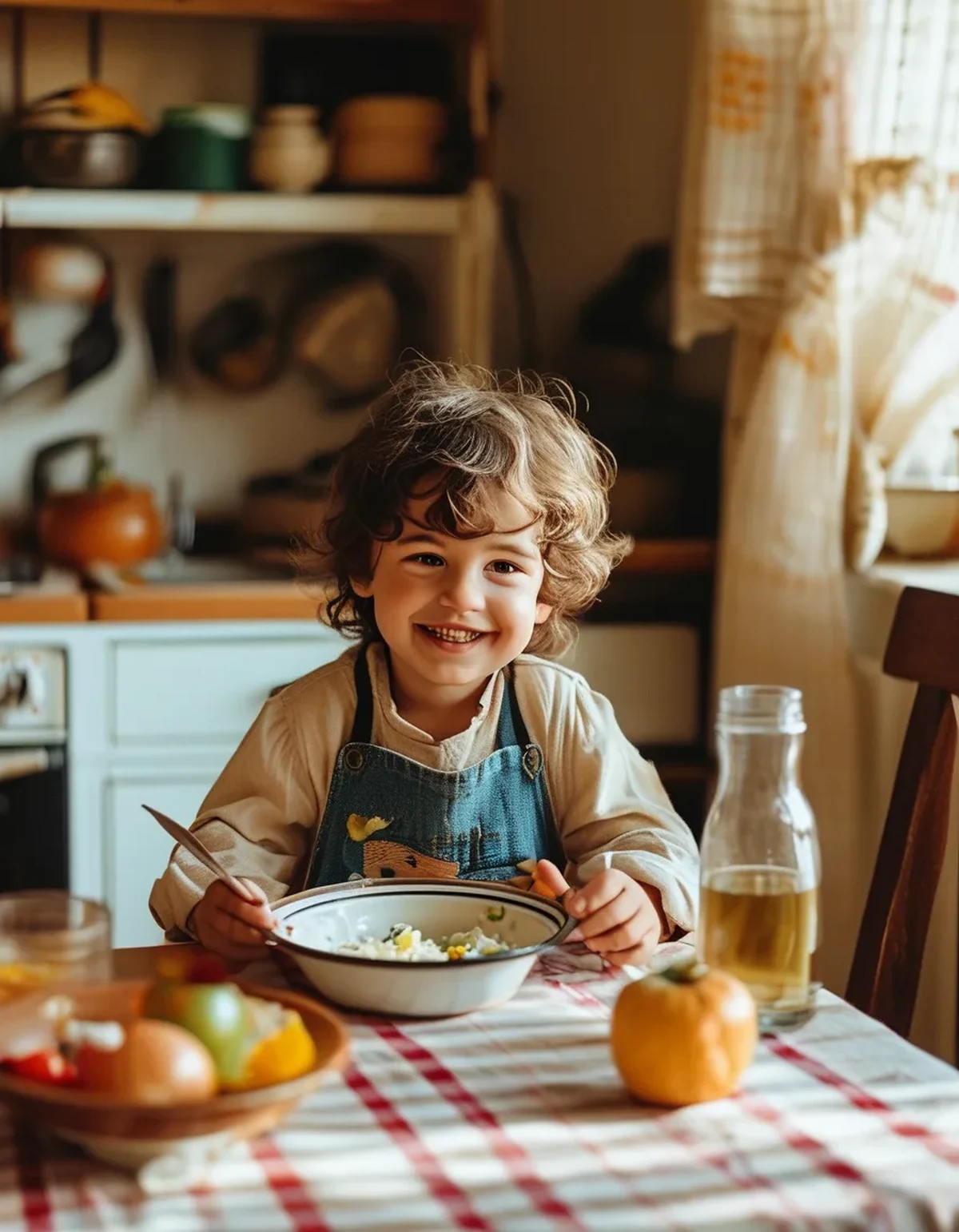
What does a low-pressure mealtime actually look like?
Concretely, because the advice is often given abstractly.
The division of responsibility model is the framework most feeding specialists use, and it is worth knowing: the adult decides what is served, when, and where. The child decides whether to eat and how much. Both parts matter, and it fails when either side crosses over.
In practice:
- Serve one meal, including at least one thing you know is accepted. Not a separate meal for the child, and not a meal with nothing they will eat.
- Put it on the table family-style where practical.
- Say nothing about eating. Not encouragement, not praise, not negotiation.
- Talk about something else entirely. The conversation is the point of the meal.
- End the meal at a normal time without commentary, and without offering an alternative afterwards.
- Allow food to be refused without a reaction, including allowing it to be put back or moved to the side of the plate.
- Offer the same food again another day, neutrally. Refusal today predicts very little about next month.
And the two things worth removing entirely: any language that frames food as good or bad, and any negotiation about quantity. Both convert a meal into a transaction, and transactions are what children resist.
If you have concerns about your child’s growth, nutrition, or a very restricted diet, speak to your GP or a paediatric dietitian. This is general information, not medical advice.
Does anything change as we head into autumn?
A few things, and it is a natural reset point worth using.
School routines change everything about appetite timing. A new term means different meal times, different snack availability, and often a much bigger gap between lunch and dinner. A child who suddenly seems fussier in September is frequently a child whose eating schedule changed, and it can look like a behaviour problem when it is a timing one.
After-school hunger is the biggest single opportunity of the day. Children arrive genuinely hungry, and a plate of vegetables or fruit put out at that moment gets eaten far more readily than the same food at dinner. This is the easiest win available in the whole area, and it costs nothing.
Tiredness increases in the first weeks of term, and tired children are more resistant to novelty. Expect a temporary regression and do not treat it as a trend.
Seasonal foods change, which is genuinely useful — new foods arriving in autumn are novel without being a confrontation about an existing refused food. Squash, apples, root vegetables and pears are all arriving now and none of them carry any history.
And warm foods return. Some children who reject cold or raw vegetables accept the same vegetables roasted or in soup, because texture and temperature matter more than flavour for many picky eaters. Autumn cooking methods offer a genuine second chance at foods that have been refused all summer.
Worth trying over the next few weeks:
- Put out a plate of raw vegetables or fruit at the after-school hour, with no comment and no expectation.
- Reintroduce a summer-refused vegetable roasted, as a completely different food.
- Check whether the new term’s snack timing is eating into dinner appetite.
- Use the seasonal novelty — new foods carry no baggage.
Does involving them in cooking help?
Generally yes, particularly for children in the neophobic stage. Familiarity through handling and smelling reduces wariness, and it also shifts the child from being served to being involved, which changes the dynamic at the table.
FAQ: Picky Eating Questions, Answered
How many times should I offer a food before giving up?
Research on repeated exposure often cites 10 to 15 or more neutral offerings. Most families stop long before that, understandably.
Should I make a separate meal?
It usually entrenches the pattern. Serving one meal that includes at least one accepted item is the common middle ground.
Is it okay to let them leave the table without eating?
Yes. Ending the meal neutrally, with no alternative offered afterwards, is consistent with the division of responsibility approach.
When should I be worried?
Faltering growth, weight loss, a very narrow range of accepted foods, distress at the sight or smell of food, or gagging and choking difficulties all warrant a conversation with your GP or a dietitian.
Does praise really make it worse?
Praise for eating signals that eating matters to you, which reintroduces the pressure. Praise for other things at the table is entirely fine.
Why do they eat better at nursery or school?
The same mechanisms as the grandparents’ house — no history, peer modelling, no invested adult watching, and different portions.
TL;DR:
- The other house works because there is no accumulated history at that table, no invested adult watching, peer modelling, novelty, smaller portions and better timing.
- The food is rarely the variable. The situation is.
- The most powerful borrowable change is removing visible investment — no watching, no commenting, and no praise for eating.
- Family-style serving gives control, which is one of the strongest levers available.
- Praise and one-more-bite are both pressure, and pressure reduces acceptance over months even when it works tonight.
- Acceptance usually needs 10 to 15 or more neutral exposures.
- Autumn changes appetite timing, and the after-school hour is the best opportunity of the day. Seasonal foods carry no history.
This is general information, not medical advice.
They did not prefer Grandma’s cooking. They ate in a room where nobody needed them to.
Keep Reading
This article is for general informational purposes only and is not medical advice. Always consult a qualified health professional for guidance specific to you.