Why Picky Eaters Often Do Better With Cold Lunch Than Hot Dinner
Quick Answer: Cold food has less aroma, more predictable texture, and naturally stays separated on the plate — three of the biggest barriers for selective eaters. Add that lunch happens when hunger and energy are higher than at dinner, and the same food often gets eaten at noon and refused at six.
You made the same chicken twice. At lunch, in a container, cold, it disappeared. At dinner, hot, on a plate, it was met with genuine distress. You are not imagining the difference and it is not manipulation. Three specific variables changed.
Why does temperature change acceptance so much?
Heat volatilizes aroma compounds. That is the entire reason hot food smells stronger — warmth pushes molecules into the air where your nose can reach them.
For a selective eater, especially one with sensory sensitivities, smell is often the barrier before taste ever gets a chance. A hot plate produces an aroma cloud the child has to sit inside for the whole meal. The same food cold produces a fraction of that.
Temperature also changes texture predictability. Hot food is variable — one bite is scalding, the next is lukewarm, the sauce thins and spreads. Cold food is consistent from the first bite to the last, and predictability is worth more than flavor to many selective eaters.
There is a practical corollary: room temperature is often better tolerated than either extreme. Serving dinner ten minutes after plating, rather than straight from the pan, is a free intervention.
What does lunch have that dinner does not?
Several structural advantages that have nothing to do with the food.
- Hunger is higher and more reliable at midday. By dinner, many children have eaten a snack within the last two hours and are genuinely not that hungry.
- Fatigue is lower. Sensory tolerance drops as children tire, and a selective eater at 6 PM has a much smaller window than the same child at noon.
- Peer modeling at school is a real effect. Children eat foods around other children that they refuse at home.
- Less parental attention on the meal. Dinner is observed. Lunch, in a lunchbox, is private, and privacy removes the pressure dynamic that causes a lot of refusal.
That last one is worth sitting with. A meal where nobody is watching is a different meal. Many parents find that serving dinner buffet-style, or sitting down and eating their own food without commenting, produces some of the same effect.
Why does separation matter so much?
Food touching is not a preference quirk. For many selective eaters it is a genuine sensory and predictability issue.
When foods touch, three things change: textures transfer, flavors bleed, and — crucially — the child can no longer predict what a bite will be. A selective eater’s whole strategy is to eliminate surprise. Mixed food removes that ability entirely.
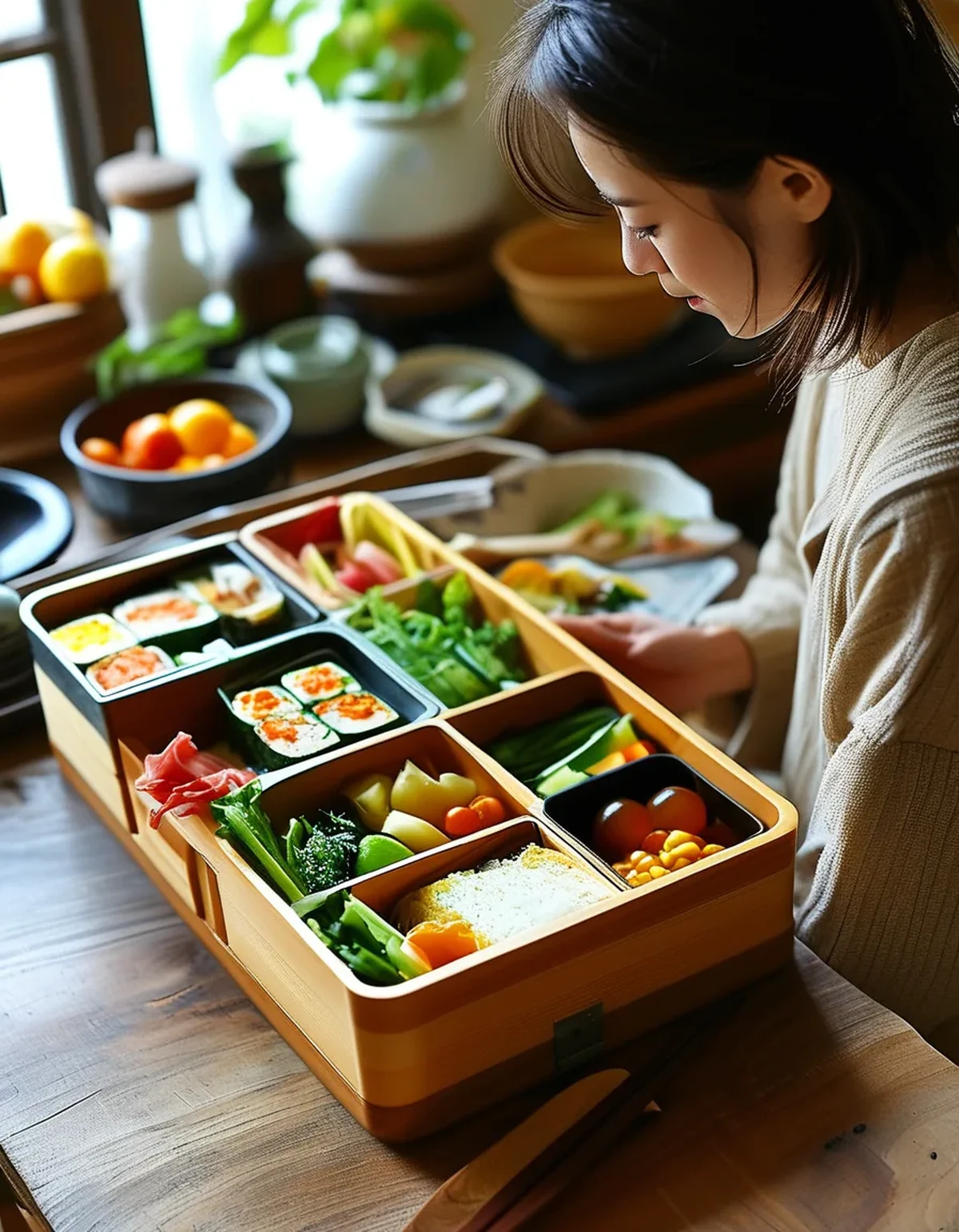
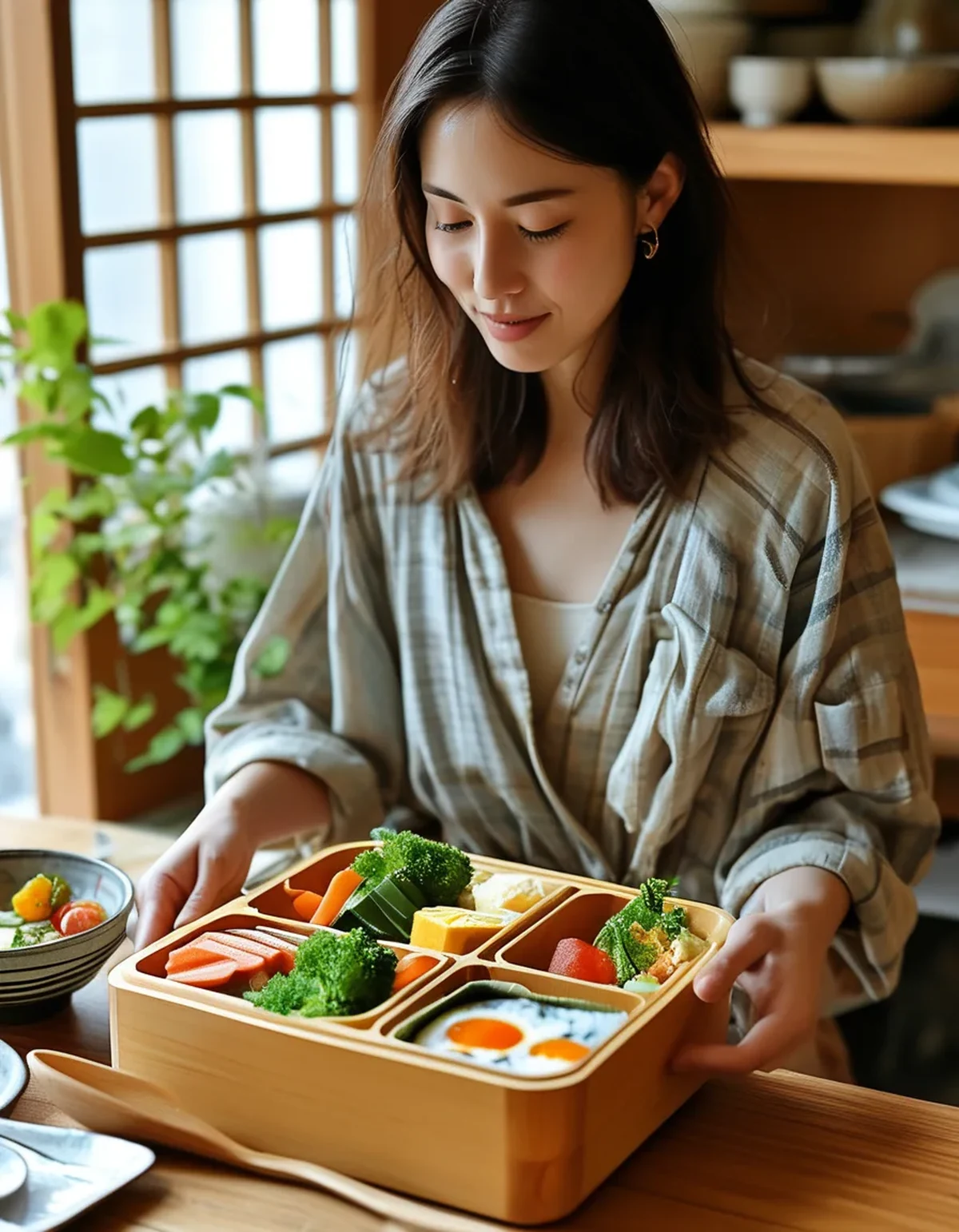
A compartmentalized lunch container solves this by default, which is a large part of why cold lunches succeed. The same meal on a dinner plate has sauces running together within a minute.
Practical applications:
- Use divided plates at dinner, or small ramekins for anything with sauce
- Serve sauces on the side by default, not as a concession
- Plate the components rather than the composed dish, and let assembly be optional
This is not indulging pickiness. It is removing an obstacle so that trying is even possible.
What Nobody Tells You About Selective Eating
Some things that rarely appear in the standard advice.
Exposure counts even without eating. A food on the plate that gets looked at, touched, or moved is a real exposure. Research on food acceptance suggests it commonly takes 10 to 15 or more exposures before a new food is accepted, and most families stop after three.
Crunch is the most accepted texture across selective eaters. If you want a vegetable accepted, raw and crisp usually outperforms cooked and soft — the opposite of what most parents try first.
Dips are a technology, not a bribe. A familiar dip provides a predictable flavor coating over an unfamiliar item, which lowers the barrier dramatically.
Hunger before dinner is a resource you can manage. The snack at 4 PM is often what determines the dinner outcome, and moving it earlier changes more than any plating strategy.
Back-to-school season commonly makes it worse. New routines, fatigue, and social stress all reduce sensory tolerance temporarily. A September regression is usually a transition, not a new baseline.
How do you use this without turning every meal into a strategy?
The goal is a few low-effort structural changes, not a project.
- Serve at least one accepted food at every meal. This removes the anxiety that drives refusal at the sight of the table, and it is the single most recommended principle in feeding practice.
- Let the child serve themselves from shared dishes where practical. Control reduces resistance.
- Put the new food on the table without comment. No encouragement, no praise for trying, no commentary at all. Praise makes trying a performance.
- Use lunch as the experiment slot and dinner as the reliable slot, since lunch has all the structural advantages.
- Keep offering after refusal. The refused food should reappear in a week without discussion.
When to seek help: if the accepted-food list is shrinking rather than stable, if growth has faltered, if mealtimes involve gagging or vomiting, or if the child is avoiding entire food groups. Those can indicate ARFID or an underlying sensory or medical issue, and a pediatric dietitian or feeding therapist can help substantially. This is general information, not medical advice.
FAQ: Picky Eating Questions, Answered
Is it normal for this to get worse around age two to six?
Yes. Food neophobia peaks in this window and is developmentally typical, likely an evolved caution about unfamiliar foods once a child becomes mobile. It usually eases gradually with continued neutral exposure.
Should I make a separate meal?
Generally no, but do include one component of the family meal that you know is accepted. That way there is always something safe on the table without cooking twice.
Does hiding vegetables in food help?
It can improve nutrition in the short term, but it does not build acceptance, and if discovered it damages trust in what is on the plate. Most feeding specialists suggest doing both: blend where useful, and also serve the vegetable visibly and without pressure.
TL;DR:
- Cold food produces less aroma, more predictable texture, and natural separation
- Lunch benefits from higher hunger, lower fatigue, peer modeling, and less observation
- Divided plates, sauces on the side, and dips remove barriers rather than indulging preferences
- Always include one accepted food, offer new foods without comment, and keep re-offering after refusal
If dinner has become the hardest hour of your day, the useful move is to stop treating it as the venue for progress. Let dinner be reliable and let lunch be where new things appear. It takes the pressure off everyone, and it happens to line up with when your child’s tolerance is actually highest.
Keep Reading
This article is for general informational purposes only and is not medical advice. Always consult a qualified health professional for guidance specific to you.