Why 'Just One More Bite' Almost Never Works With Picky Eaters
Pushing for one more bite feels like it should work through sheer persistence, but with genuinely picky eaters it usually does the opposite, hardening resistance instead of expanding what gets eaten.

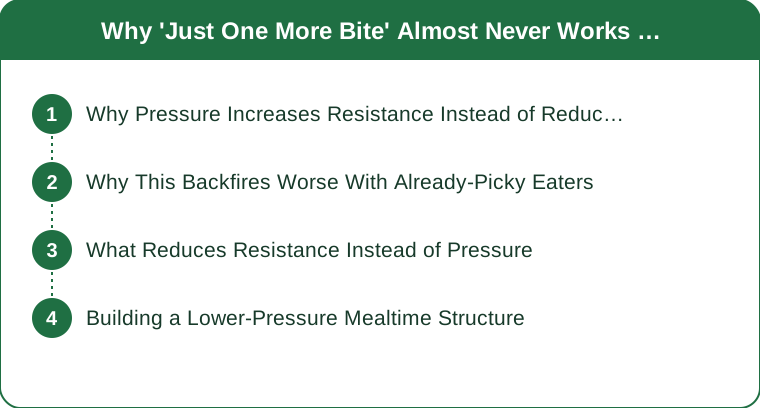
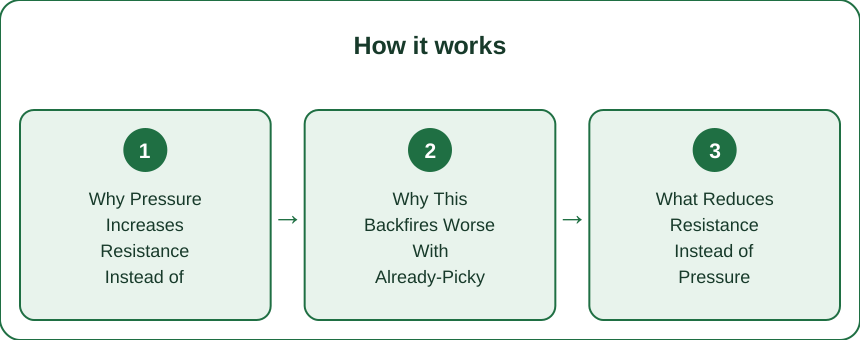
Why Pressure Increases Resistance Instead of Reducing It
The mechanism: mealtime pressure activating a stress response around food specifically, which narrows willingness to try new things rather than expanding it, the opposite of what the pressure is meant to accomplish.
Why This Backfires Worse With Already-Picky Eaters
The compounding effect: a child already anxious about unfamiliar food experiencing pressure as confirmation that mealtime is a battleground, which tends to make the existing pickiness more entrenched rather than less over repeated meals.

What Reduces Resistance Instead of Pressure
The alternative approach: repeated low-pressure exposure, the food simply present on the table without any bite requirement, being what actually shifts acceptance over multiple exposures, often eight to ten sightings before a food gets tried voluntarily.
Building a Lower-Pressure Mealtime Structure
The practical shift: serving one new food alongside familiar safe foods without commentary on how much gets eaten, and separating the goal of exposure from the goal of consumption, and the frame (pressuring one more bite backfires because it turns food into a stress trigger — low-pressure repeated exposure without a bite requirement is what actually expands what a picky eater will try.)
Pushing for one more bite feels like it should work through sheer persistence, but with genuinely picky eaters it tends to do the opposite, since mealtime pressure activates a stress response around food that narrows willingness to try new things rather than expanding it. A child already anxious about unfamiliar food tends to experience that pressure as confirmation that mealtime is a battleground, which makes existing pickiness more entrenched over repeated meals rather than less. Repeated low-pressure exposure, the food simply present on the table without any bite requirement, is what actually shifts acceptance over time, often needing eight to ten sightings before a food gets tried voluntarily. Serving one new food alongside familiar safe foods without commentary on how much gets eaten, and separating the goal of exposure from the goal of consumption, does more over weeks than any single mealtime standoff ever will.
Keep Reading
This article is for general informational purposes only and is not medical advice. Always consult a qualified health professional for guidance specific to you.