Why a Picky Eater Eats More When They Serve Themselves
Quick Answer: Picky eaters typically eat more when they serve themselves because it removes the pressure that triggers refusal, gives them a sense of control over an uncertain situation, and lets them take a portion small enough not to feel threatening. A plate arrived at by someone else is a demand. A serving bowl is an offer. This is the practical form of the division of responsibility approach, where the adult decides what is offered and when, and the child decides whether and how much. It usually takes two to three weeks before the change shows.
You plate the meal, put it down, and it is rejected before it lands. You put the same food in bowls in the middle of the table and something different happens.
Not immediately, and not with everything, and the difference is consistent enough that it is worth understanding why.
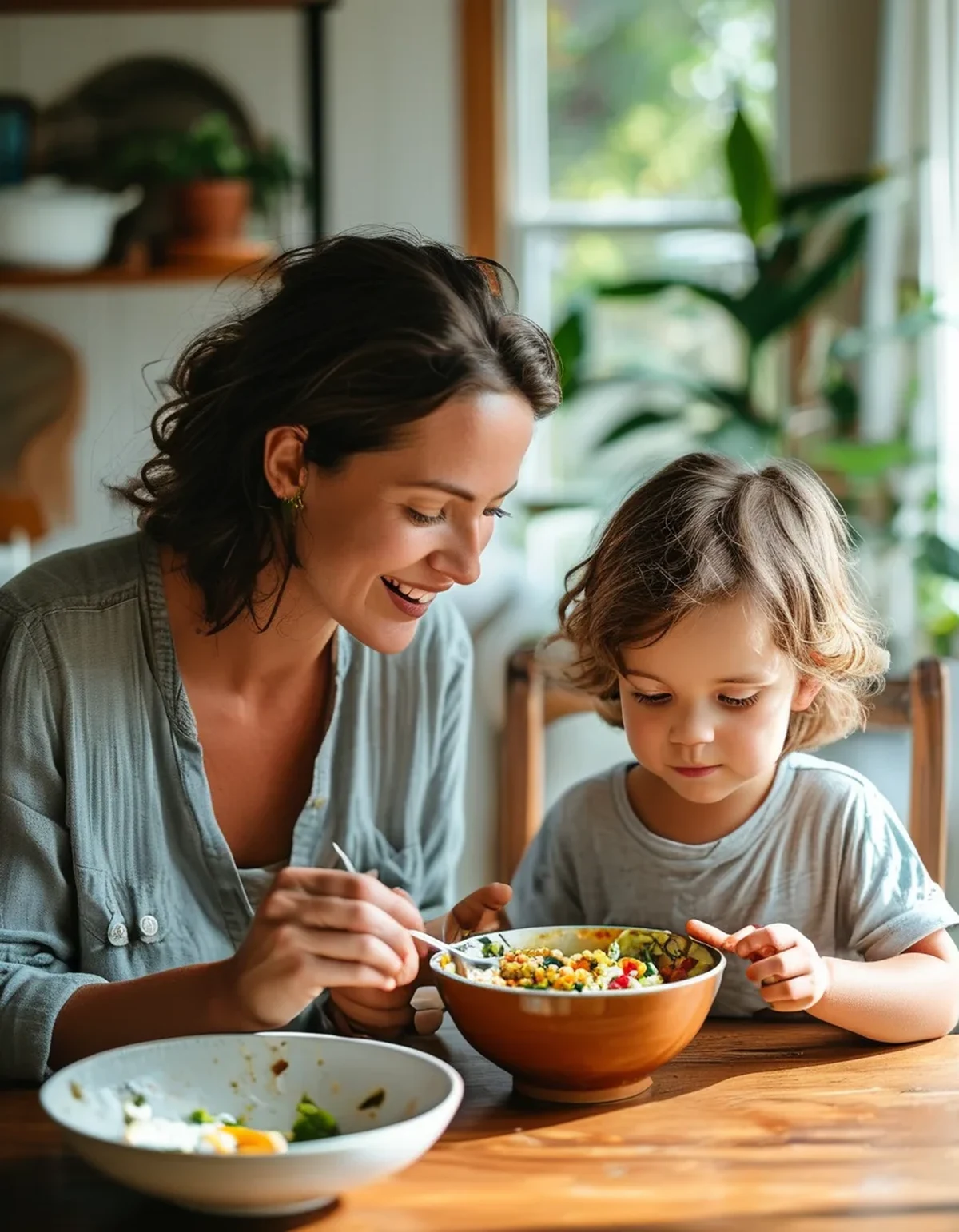
Why does who serves the food change whether it is eaten?
Because a plated meal is an instruction and a shared bowl is an option.
A full plate is a visible expectation. When food arrives already portioned, the amount communicates how much someone else thinks you should eat. For a cautious eater, that is a demand attached to every item on the plate, including the ones they were never going to eat.
Refusal is often about the demand, not the food. This blog has covered why forcing one more bite backfires and why food refusal frequently has causes other than taste. Pressure produces refusal reliably, and plating is a low-grade continuous form of pressure that nobody registers as pressure.
Control is the active ingredient. Mealtimes are one of the few areas where a child has genuine leverage, and cautious eaters use it. Handing over the serving decision satisfies the need for control through a route that does not require refusing anything.
Small portions are less threatening. Left to themselves, cautious eaters take very small amounts of unfamiliar food, often a token quantity. That tiny portion is exactly what exposure requires, and it is a quantity an adult would never plate because it looks like nothing.
Handling the food is itself exposure. Serving involves seeing, smelling, and touching the food with a spoon, without any expectation of eating it. For texture-driven pickiness, which this blog has covered as more common than taste-driven pickiness, that handling step is genuine progress even when nothing is eaten.
And the meal stops being a negotiation. When the child controls the plate, there is nothing to argue about, which changes the emotional temperature of the whole table. That change often matters more than any individual food.
What is the division of responsibility, and how does it apply?
A well-established feeding framework, and family-style serving is its most practical expression.
The division. The adult decides what food is offered, when it is offered, and where it is eaten. The child decides whether to eat and how much. Neither side crosses into the other’s job.
What this means in practice. You are not offering a separate meal. You are not asking anyone to eat anything. You are putting food on the table, including at least one thing you know is accepted, and letting people take what they take.
The adult’s job is real and it is not passive. You control the menu entirely. Offering a shared meal that includes both familiar and unfamiliar items is a deliberate act, and it is what makes exposure happen at all.
The child’s job is the part adults find hardest to leave alone. Not commenting on how much was eaten. Not saying just try one bite. Not showing visible disappointment. The most common failure of this approach is an adult doing everything right and then adding one encouraging comment at the end, which reintroduces the pressure the setup was designed to remove.
Include a safe food at every meal. Something you know will be accepted, served in the same bowls as everything else. This guarantees the meal is not a threat, which is what allows curiosity about the rest. It is not a concession, it is what makes the approach work.
What the evidence supports. Responsive feeding approaches that avoid pressure are consistently associated with better outcomes than pressuring approaches, and pressure is consistently associated with more selective eating over time. The specific mechanism of self-serving is less studied than the general principle, and the general principle is well supported. This is general information and not a substitute for advice from a paediatrician or a feeding specialist if eating is genuinely restricted.
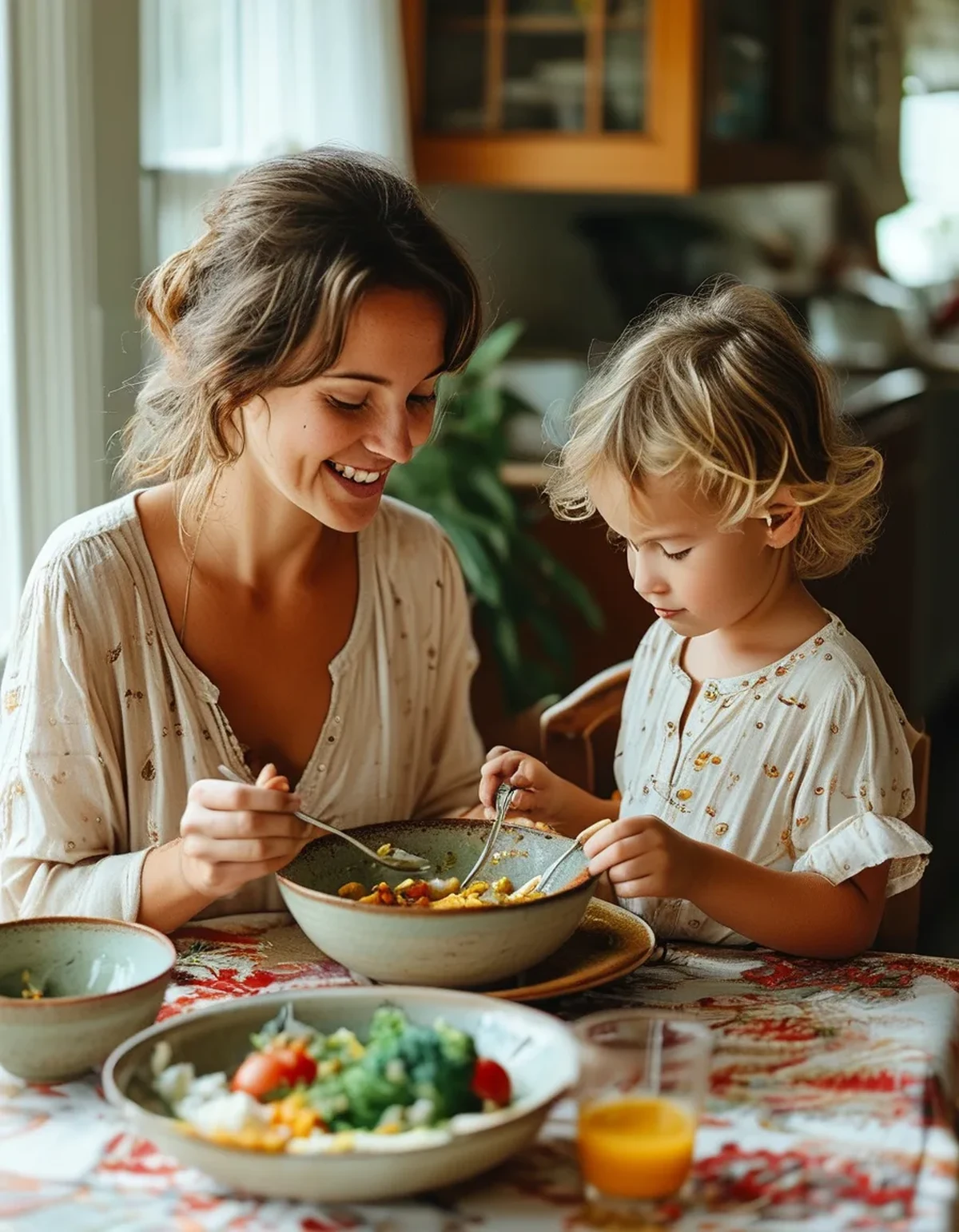
How do you actually set it up?
Practically, with some details that decide whether it works.
Put everything in the middle in serving bowls. Including the components of a mixed dish where possible, since this blog has covered why mixed foods get refused while the same components are accepted separately. Deconstructing a meal into its parts is not extra effort for you and it removes the single most common refusal trigger.
Use tongs and small serving spoons a child can manage. If serving is physically difficult, the whole thing becomes frustrating. A small spoon in each bowl at a height they can reach matters more than it sounds.
Let them take nothing. This is the part adults cannot do. If a child takes only bread, the meal has still worked, because the other foods were on the table, were seen, and were not a fight. Exposure accumulates over many meals.
Do not comment on what anyone takes. Not praise for taking a vegetable, not disappointment at not taking one. Praise makes eating a performance and turns the next meal back into a demand.
Expect a worse fortnight before a better one. When pressure is removed, many children eat less at first, because they were previously eating some amount under pressure. This dip is normal and is the point at which most families abandon the approach. Give it three weeks before judging it.
Keep the meal structure. Set times, at a table, without a running snack supply in between. The division of responsibility depends on the adult controlling timing, and a child who has grazed all afternoon has no appetite to bring to the offer.
Serve family-style at meals where the stakes are lowest first. Weekend lunch rather than a weeknight dinner at the end of a hard day. The approach requires adult patience, and it is worth setting yourself up to have some.
5 Mistakes That Undo Family-Style Serving
1. Serving it yourself anyway when they take too little. The most common. A child takes two peas, an adult adds a spoonful, and the entire mechanism is cancelled in one movement. Two peas is a success.
2. Commenting on the outcome. Well done for trying the carrots is still an evaluation of eating, which makes eating something done for approval. Neutral is the goal, and neutral is much harder than it sounds.
3. Not including a safe food. Without something reliably accepted, the meal becomes a high-stakes situation, and a cautious eater in a high-stakes situation refuses everything. The safe food is what makes the rest browsable.
4. Abandoning it in week one. Intake genuinely often drops when pressure is removed, then recovers and typically improves. Judging at day five means judging at the low point.
5. Using it as a strategy with a hidden goal. Children detect the difference between an offer and an offer with an agenda very quickly. If family-style serving is deployed as a technique to get vegetables eaten, and the disappointment shows when they are not, it becomes another form of pressure with extra steps.
When this is not the right tool. If a child is losing weight, has an extremely restricted range of accepted foods, gags or chokes frequently, or is showing distress around eating that goes beyond preference, that is a conversation with a paediatrician or a feeding therapist rather than a serving strategy. This is general information, not medical advice.
FAQ: Self-Serving and Picky Eating, Answered
Why does my child eat more when they serve themselves?
Because a plate someone else filled reads as a demand, and a serving bowl reads as an option. Removing the pressure removes most of the reason to refuse, and self-served portions are small enough not to feel threatening.
What if they only take the bread?
That is a working meal. The other foods were present, seen, handled with a serving spoon, and not fought over. Exposure accumulates across many meals, and commenting on the bread is what would undo it.
How long before it makes a difference?
Usually two to three weeks, and intake often dips first when pressure is removed. Most families who abandon the approach do so during that dip, which is the point at which it looks like it is not working.
Should I make a separate meal they will definitely eat?
No, but do include at least one accepted food in the shared bowls at every meal. That guarantees there is something safe without making it a separate service, which is the balance this approach depends on.
TL;DR:
- A plated meal is a demand and a serving bowl is an offer. Most refusal is a response to the demand rather than to the food.
- Self-served portions are tiny, which is exactly the quantity exposure needs and the quantity no adult would ever plate.
- Include a safe food every time, deconstruct mixed dishes into components, and say nothing about what anyone takes.
- Intake often drops for two weeks before it improves. That dip is where most families quit.
Try it at a weekend lunch first, when nobody is tired and the stakes are low.
Keep Reading
This article is for general informational purposes only and is not medical advice. Always consult a qualified health professional for guidance specific to you.