Why Some Picky Eaters Reject Texture, Not Actually Taste
Quick Answer: A child who rejects a food in one texture but happily eats the same flavor in another form — like refusing cooked spinach but eating a spinach smoothie — is showing a texture-driven rejection, not a taste-based one, and the fix for that is entirely different from addressing genuine flavor dislike.
Mislabeling a texture issue as a taste issue is one of the most common reasons picky eating strategies stall out.
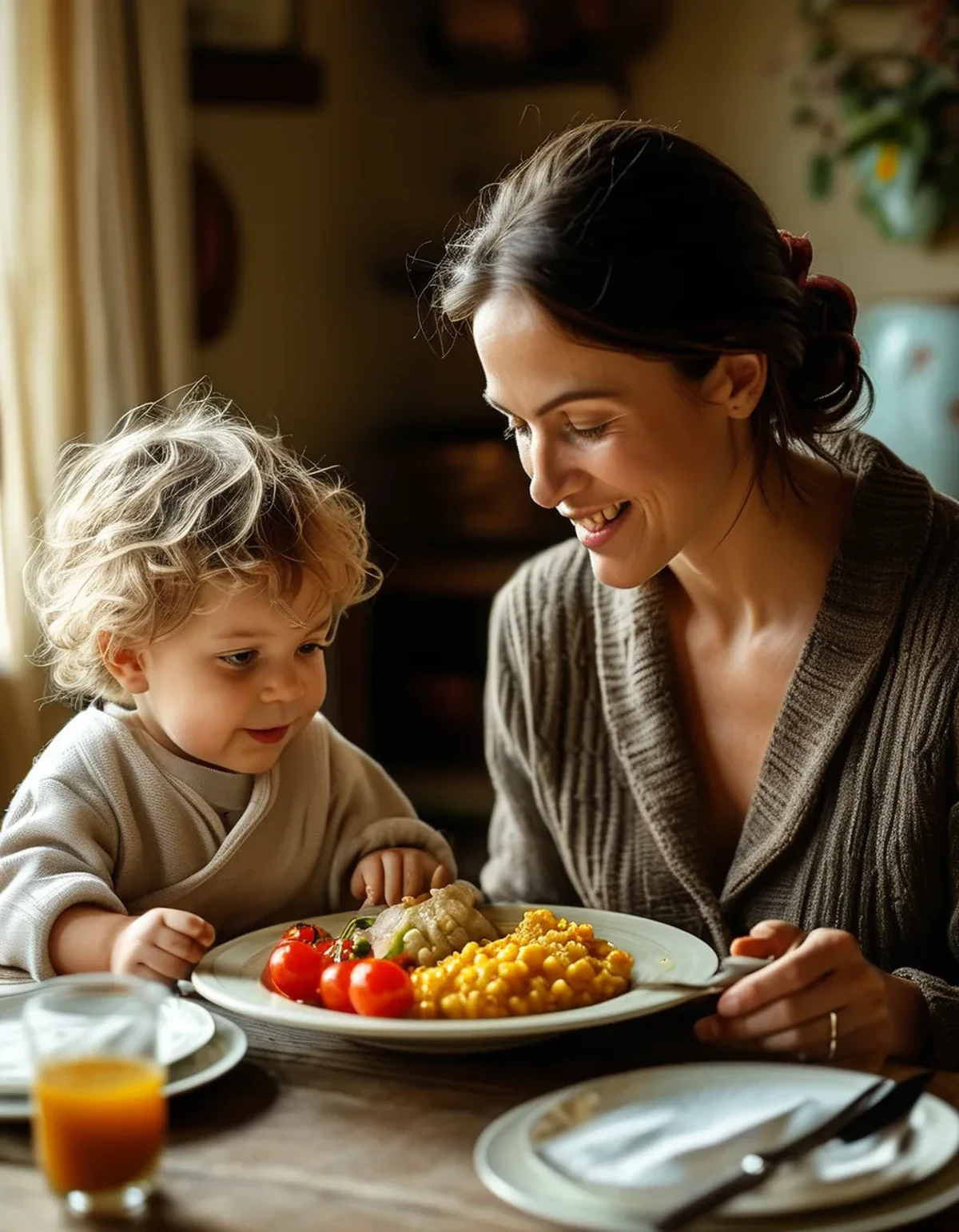
What’s a reliable way to tell texture from taste rejection?
Offering the same core flavor in multiple textures — a food pureed, mixed into something familiar, or prepared a different way — and watching whether acceptance changes is one of the clearest signals. If the flavor is accepted in one form but rejected in another, texture is very likely the actual driver, not taste.
Why do some children have stronger texture sensitivity?
Sensory processing differences affect how strongly some children register texture, temperature, and mouthfeel information, and for kids with heightened sensory sensitivity, an unfamiliar or inconsistent texture can register as genuinely unpleasant in a way that isn’t about the underlying flavor at all.
Does forcing a disliked texture tend to help over time?
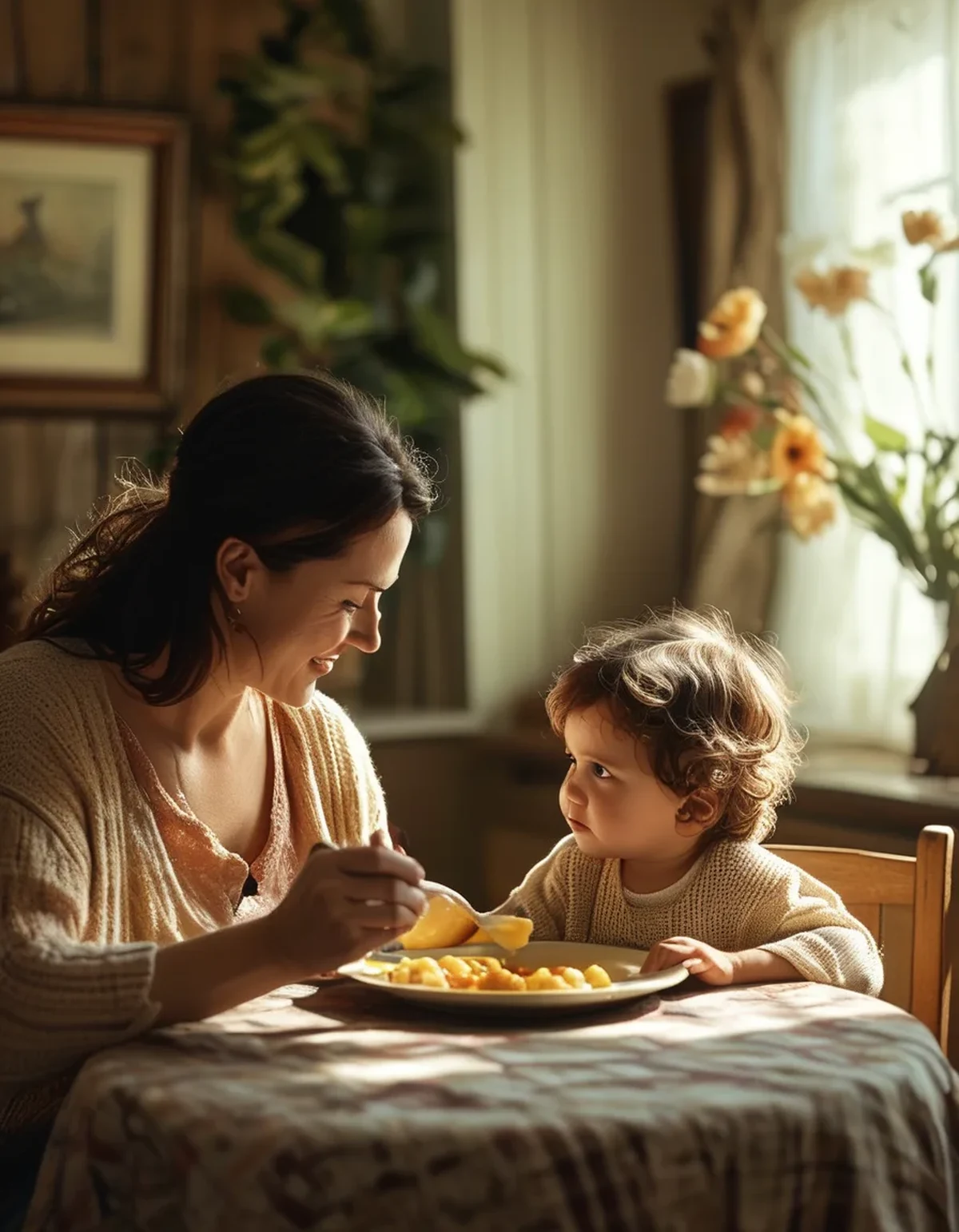
Rarely, and it often backfires — repeated negative pressure around a specific texture tends to build stronger aversion rather than gradual tolerance, while low-pressure repeated exposure in a texture the child already tolerates better tends to build comfort more effectively.
Can texture preferences change over time on their own?
Yes, commonly — texture sensitivities in young children often shift gradually as sensory processing matures, and a food rejected purely for texture at age three is frequently accepted without issue by age six or seven, even without significant intervention.
What’s a practical approach when texture is the identified issue?
Introducing the same flavor gradually across a spectrum of textures — smooth to slightly chunky to whole — rather than jumping straight to the most textured version tends to work better than either avoiding the food entirely or insisting on the hardest version first.
TL;DR:
- Rejecting a food in one texture while accepting the same flavor in another points to texture, not taste
- Sensory processing differences explain why texture sensitivity varies significantly between children
- Forcing a disliked texture tends to build aversion rather than tolerance
- Texture preferences often soften naturally as children get older
Identifying which one is actually happening changes the entire strategy for what to try next.
Keep Reading
This article is for general informational purposes only and is not medical advice. Always consult a qualified health professional for guidance specific to you.