Packing School Lunches for a Picky Eater Without the Fight
Quick Answer: Build the lunchbox around one or two ‘safe foods’ your child reliably eats, then add one small, low-pressure new item alongside them — full lunches built entirely from unfamiliar foods usually come back untouched, while a familiar anchor with a small edge of novelty tends to actually get eaten.
You’ve packed the beautifully balanced lunch, and it’s come home practically untouched more than once. The lunchbox isn’t the problem — the ratio of familiar to unfamiliar inside it usually is.

Why does a ‘safe food anchor’ approach work better than variety?
Picky eating often involves genuine food neophobia — a real aversion to unfamiliar foods, not just stubbornness — and pushing a lunch full of new items at once triggers more resistance than gradual exposure does. A reliable anchor food (the thing you know they’ll eat) reduces the overall stress of the meal enough that trying something small alongside it feels lower stakes.
This mirrors how food exposure actually builds acceptance over time — repeated, low-pressure contact with a new food, not a single all-or-nothing meal.
What does ‘low-pressure new item’ actually mean in practice?
A small portion, presented separately (not mixed into other food), of something with some similarity to foods they already accept — a new fruit if they like fruit, a different shape of a familiar carb. It’s not about tricking them into eating vegetables hidden in something else; it’s about genuine, gradual exposure to real food.
The goal for a new item isn’t ‘finished plate,’ it’s just contact — seeing it, maybe touching it, maybe one bite. That’s a meaningful step even if it comes home mostly uneaten.
5 Mistakes Parents Make With Picky Eater Lunches
-
Packing an entirely ‘stretch’ lunch hoping hunger will force trying new things — it usually just results in an empty stomach and a bad afternoon at school, not new food acceptance.
-
Hiding vegetables in familiar foods — this can work short-term but doesn’t build actual food acceptance and can backfire if discovered, increasing distrust of foods generally.
-
Changing the whole lunch weekly for variety’s sake — picky eaters often do better with more repetition than typically developing eaters, not less.
-
Skipping food they’ve rejected before entirely — repeated exposure (even to rejected foods) over many attempts is often what eventually builds acceptance.
-
Reacting emotionally to an empty vs full lunchbox — kids pick up on this fast, and it can add pressure that makes lunch a source of anxiety rather than just food.
Does presentation actually make a measurable difference?
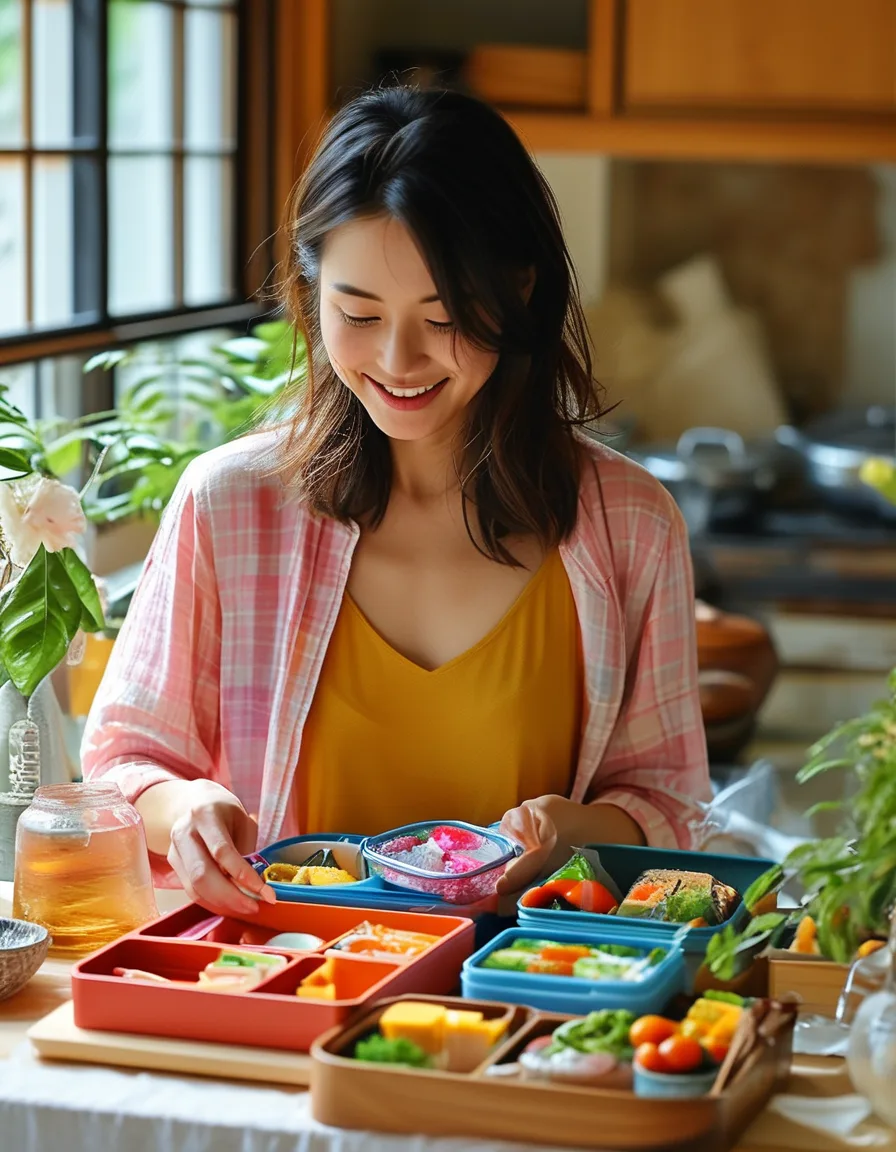
For picky eaters specifically, yes more than for typical eaters — cutting food into recognizable, unambiguous shapes and keeping foods physically separated (rather than touching or mixed) reduces the sensory uncertainty that often drives rejection. A bento-style container with dividers solves a lot of this automatically.
Temperature and texture consistency also matters more than flavor variety for many picky eaters — a food that’s slightly soggy by lunchtime (like a sandwich that sat too long) can get rejected purely on texture, independent of taste.
How do you handle a lunch that keeps coming home untouched?
Track what’s actually being eaten versus packed for a week or two before assuming rejection — sometimes it’s a timing issue (too little time to eat, not hunger or preference) rather than a food issue. If it’s consistently the same food type being left, that’s useful information, not a failure.
This is general guidance, not feeding therapy — if picky eating is severe, limited to very few total foods, or affecting growth, a pediatric feeding specialist can offer more targeted support than general lunch-packing tips.
TL;DR:
- Anchor lunches around 1-2 reliable safe foods, adding just one small new item alongside
- Contact with a new food (not a finished plate) is a meaningful win, not a failure
- Avoid hiding vegetables and avoid an all-new-food ‘stretch’ lunch strategy
- Separate foods physically and keep textures consistent — presentation matters more than flavor variety here
The goal isn’t a perfectly balanced lunchbox photo — it’s a lunch your specific kid will actually eat, built gradually from what already works.
Keep Reading
This article is for general informational purposes only and is not medical advice. Always consult a qualified health professional for guidance specific to you.