The Lunchbox Strategy That Actually Works for Picky Eaters
Quick Answer: Pack at least one ‘safe’ familiar food alongside one small, no-pressure new item, using a divided container so foods don’t touch. Skip surprises at lunch — school is already a low-control environment, and unfamiliar food adds a second stressor kids often can’t manage there.
The lunchbox comes home every day with the same untouched container of quinoa salad you were so proud of packing. Meanwhile the goldfish crackers are gone in a day. It’s not defiance — it’s a predictable response to the wrong environment for food exploration.
Why does food that works at home get rejected at school?
Home is a low-stress environment with a parent present for reassurance; the school cafeteria is loud, time-limited, and socially charged. Food neophobia (wariness of new foods) intensifies under stress, which is exactly what school lunch is for many kids — new food plus a stressful setting is a doubled challenge, not a single one.
This is why a food that gets eaten calmly at the dinner table can come back untouched from school: it’s not that the child stopped liking it, it’s that the setting made trying anything unfamiliar harder.
What does the ‘safe plus new’ lunchbox strategy actually look like?
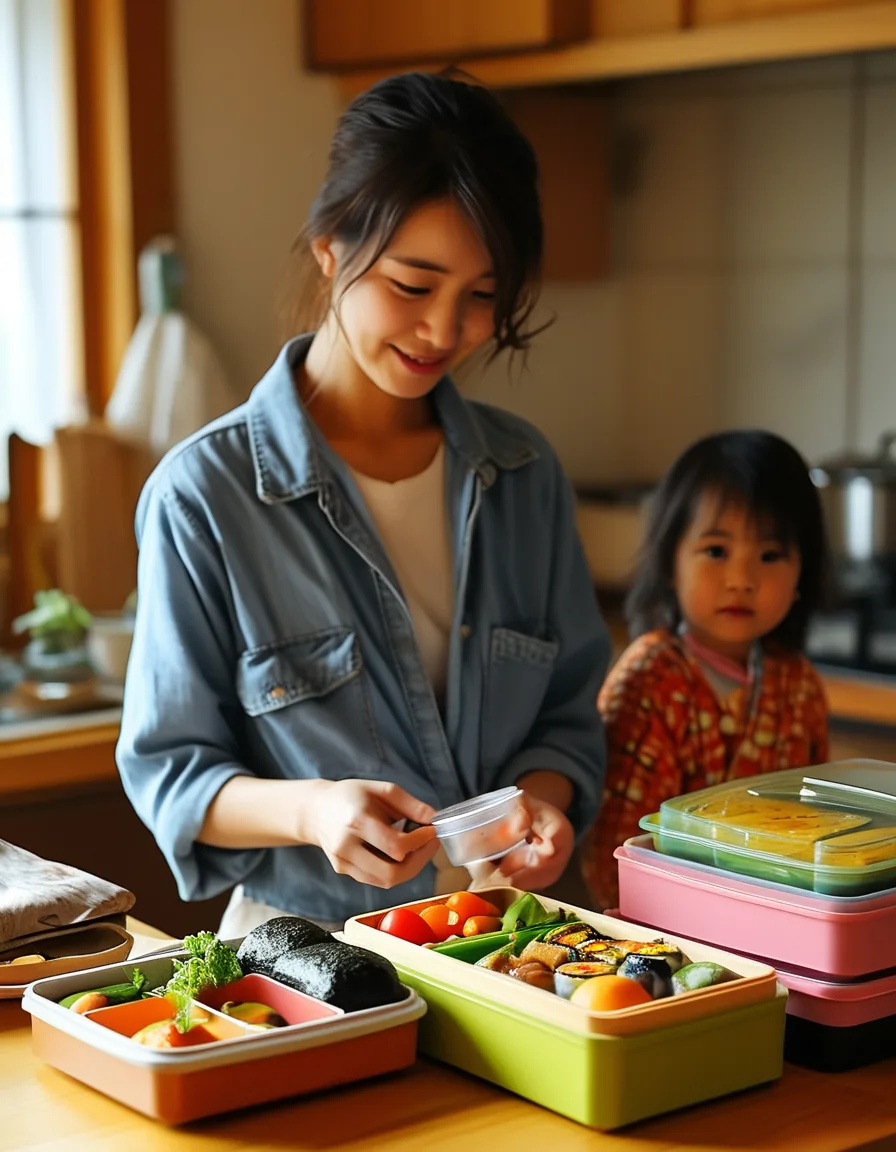
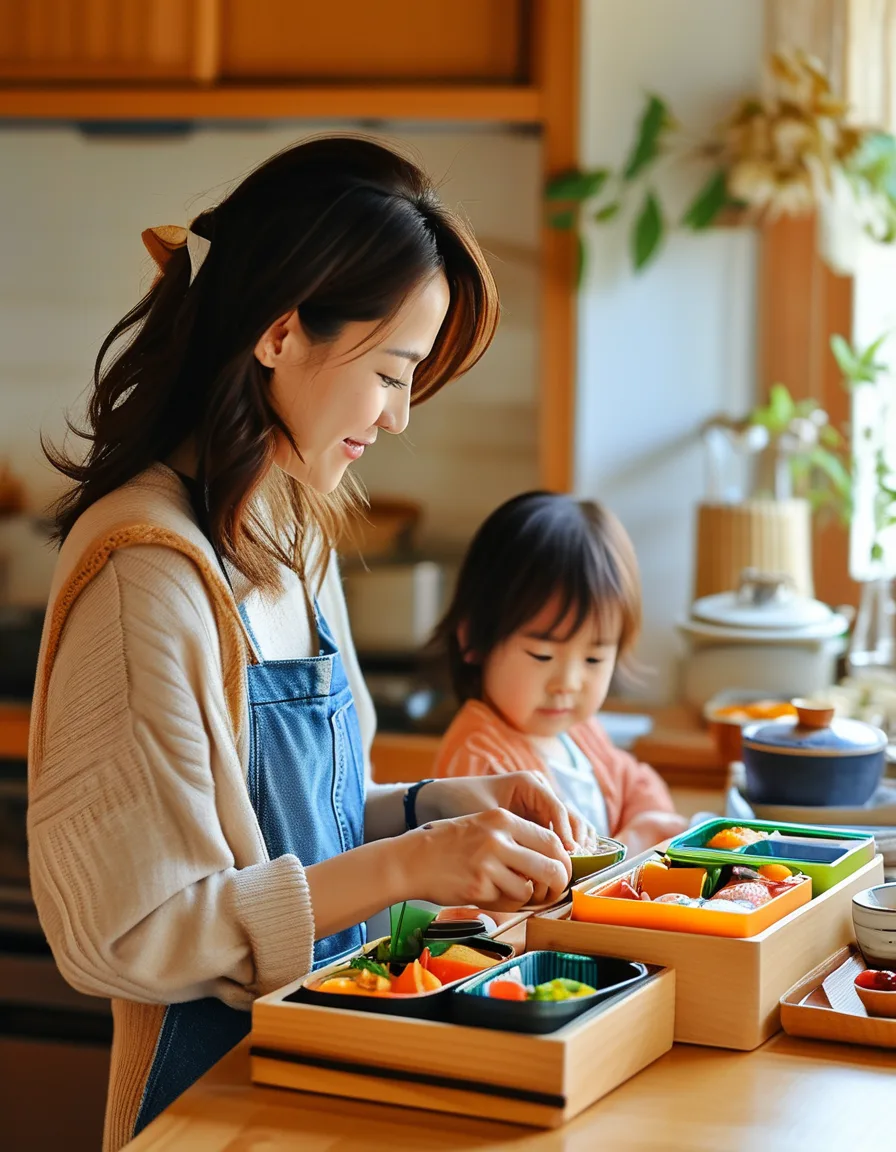
Structure the box as: one guaranteed-eaten safe food, one familiar-but-slightly-varied food, and one small optional new item that requires zero pressure to touch. For example: crackers (safe), apple slices they usually eat (familiar), and 2 unfamiliar berries in a tiny separate compartment (optional, no expectation).
A divided lunchbox where foods don’t touch also removes a common sensory objection — many picky eaters reject an otherwise-fine food simply because sauce touched it.
What Nobody Tells You About Picky Eating at Lunch
Here’s what most lunchbox advice misses: the goal at school isn’t nutritional variety, it’s caloric adequacy and low stress. Trying to use the school lunchbox as the primary venue for expanding their diet usually backfires — it adds pressure to an environment that’s already working against exploration.
Save genuine new-food exposure for calmer settings (home dinner, weekend cooking together) and let the school lunch box do its simpler job: reliably fueling them through the day without a fight.
FAQ: Picky Eater Lunchbox Questions, Answered
Should I ever put a completely new food in the lunchbox with nothing else familiar?
No — that maximizes the chance of an entirely uneaten lunch. Always anchor with at least one guaranteed-safe item so hunger is covered regardless of what else gets touched.
Is it bad if my kid eats the same lunch every day?
Not nutritionally, as long as it covers reasonable food groups over time — repetition is actually comforting and normal for picky eaters, and variety can be built gradually at other meals.
How do I get feedback on what’s actually being eaten versus traded or tossed?
A divided container makes it visually obvious what’s gone versus untouched, which is more reliable than asking a young child to accurately report back.
TL;DR:
- School lunch is a high-stress setting — pair one safe food with one small no-pressure new item
- Use a divided container; food touching is a common, fixable rejection trigger
- Save real dietary expansion for calmer settings like home dinners, not lunchboxes
- Repetition in lunch choices is normal and not a sign something’s wrong
Anchor tomorrow’s lunch with one guaranteed-eaten item, and let everything else be low-pressure bonus.
Keep Reading
This article is for general informational purposes only and is not medical advice. Always consult a qualified health professional for guidance specific to you.