The Great Vegetable Smuggle: When Hiding Produce Works (and When It Backfires)
Vegetable smuggling — the blended zucchini in the marinara, the cauliflower in the mac — divides parenting philosophy: nutrition win or trust erosion? The evidence-based answer is both/and: smuggle for nutrition, expose for acceptance, and never lie when asked. The strategy, refined.

The Case For Smuggling
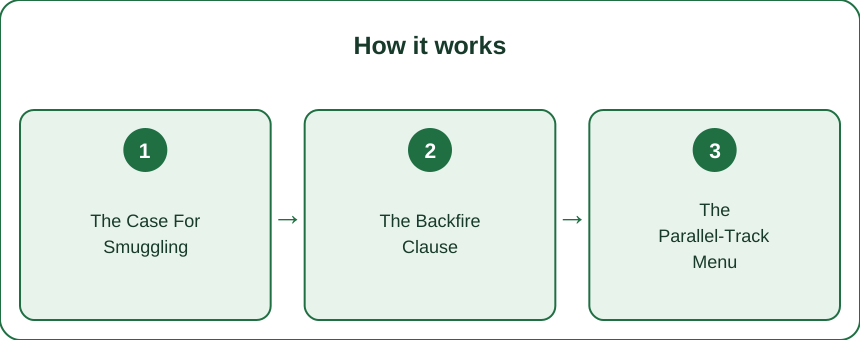
Blended-in vegetables genuinely raise daily intake (the research on ‘stealth vegetables’ shows meaningful nutrition gains) — the marinara carrying zucchini feeds the child TODAY, while the exposure game plays its longer season. Nutrition and education run parallel tracks.
The Backfire Clause
Smuggling fails as a SOLE strategy: children who only ever eat hidden vegetables never learn to accept visible ones — and discovered deception (‘you LIED about the muffins’) taxes trust at compound rates. The rule: smuggle silently, but never deny when asked directly. ‘Yes, there’s zucchini in there — can you even taste it?’ is honesty with a marketing angle.

The Parallel-Track Menu
Every smuggled meal pairs with a visible-vegetable sidecar: the blended-veg pasta PLUS three carrot sticks on the plate (no pressure, per the exposure doctrine). The hidden track feeds; the visible track teaches. Neither track works alone.
The Greatest Hits
The smuggler’s canon: marinara absorbing zucchini-carrot-pepper (blend until silent), cauliflower vanishing into mac and mashed potatoes, spinach disappearing into berry smoothies (color management: purple hides green), and black beans ghosting into brownies. Blend fine, season normally, serve without ceremony.
Smuggle for today’s nutrition, expose for tomorrow’s acceptance, confess cheerfully when asked. The marinara was never a lie — it was a bridge, with carrot sticks waiting on the visible side.
Keep Reading
This article is for general informational purposes only and is not medical advice. Always consult a qualified health professional for guidance specific to you.